


The Best Sensory Gifts for Kids: A Parent's Guide
Choosing a gift for a child with sensory needs can feel harder than it should. You want something they will actually use, something that calms them instead of overloading them, and something that does not feel like a therapy tool. The best sensory gifts do all three.
This guide explains what sensory gifts are, how to figure out what kind of input your child needs, and gives you real, tried and tested gift ideas that children genuinely love.
What Is a Sensory Gift?
A sensory gift is something designed to give a child the kind of sensory input they need to feel calm, focused, or regulated. It could be something to squeeze, something to chew, something heavy to lie under, or something with a soothing texture to touch.
Sensory gifts are not just toys. They are tools that help a child's nervous system settle. For kids with ADHD, autism, anxiety, or sensory processing differences, the right sensory gift can make a real difference in how they get through a school day, a long car ride, or a tough evening.
How Do I Know What Kind of Gift My Child Needs?
The best clue is what your child already does. Watch what they naturally reach for when they are anxious, bored, or trying to focus.
A child who clenches their fists, squeezes toys hard, or loves deep hugs is likely looking for pressure. A child who chews their sleeves, their nails, or pen caps is looking for oral input. A child who rubs fabric, traces patterns, or fidgets with their hands is looking for tactile input. A child who calms the moment a familiar smell is nearby may respond to scent.
When you match a gift to the habit your child already has, you give them something they will actually use instead of something that sits in a drawer.
Genuine Sensory Gift Ideas
Weighted Blankets and Lap Pads

A weighted blanket is one of the most loved sensory gifts there is. The even, gentle pressure feels like a hug and helps many children settle at night or while relaxing on the couch. A weighted lap pad does the same thing in a smaller, portable form, perfect for a child who needs a little weight while sitting at a desk or in the car.
For kids, keep the weight modest and spread evenly, and always follow the size guidance for the child's age. If your child loves that pressure, a weighted hoodie gives them a wearable version they can take anywhere.
Fidget Toys
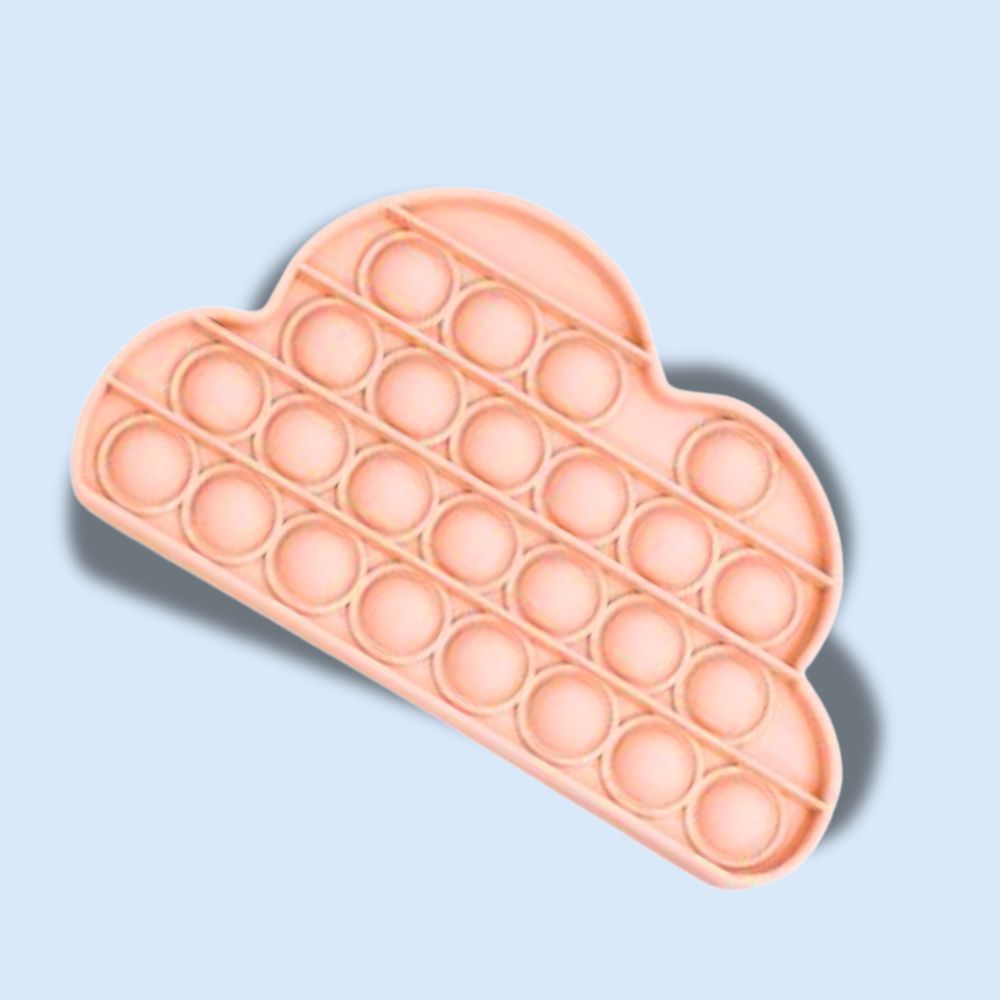
Fidget toys are a classic for a reason. Fidget cubes, pop tubes, fidget spinners, and small handheld gadgets all give restless hands a quiet job. They are small enough for a pocket or a backpack, and the best ones are quiet enough for a classroom.
A fidget toy works best when it is sturdy and does not make noise, so it supports focus rather than stealing attention. Some fidgets are even built right into clothing, like the maze and pop-its in the Soothe Hoodie.
Chewable Necklaces and Tubes
For a child who chews their sleeves, collars, or nails, a chewable necklace is a genuinely helpful gift. These are made from food grade or medical grade silicone and give a safe, clean alternative to clothing and pens.
They come in different shapes, textures, and firmness levels, so a child can find the one that feels right. Some children prefer a pendant, while others like a textured tube. A hoodie with chewable drawstrings offers the same comfort without a separate necklace.
Kinetic Sand and Putty
Kinetic sand and therapy putty are wonderful tactile gifts. They let a child squeeze, mold, pinch, and shape, which provides the kind of deep, satisfying hand input that many kids seek.
Kinetic sand flows through the fingers and never dries out, while putty offers more resistance for a child who needs firmer input. Both are quiet and can be used at a table for long stretches.
Noise-Reducing Headphones
For a child who gets overwhelmed by sound, a pair of noise-reducing headphones is one of the most practical gifts you can give. They soften the roar of a busy classroom, a loud store, or a crowded event, and give the child a way to control how much sound they take in.
Look for a soft, comfortable pair that fits a child's head without squeezing, since comfort matters as much as the sound reduction.
Sensory Swings and Compression
For kids who seek movement and pressure, a sensory swing or a body sock can be life changing. A swing provides gentle, rhythmic motion that helps a child regulate, while a body sock gives full body pressure that feels like a deep, calming hug.
These are bigger gifts, but for a child who craves movement and deep pressure, they are often the most loved gift in the house.
Calm-Down Jars and Light Projectors
Visual calm tools work beautifully for children who settle through watching something slow and steady. A calm-down jar, a liquid motion bubbler, or a soft light projector gives the eyes something gentle to follow while the body unwinds.
These are especially useful at bedtime or in a calm-down corner, where a slow, predictable visual can help a child shift from overloaded to settled.
Squishy Toys and Stress Balls

A soft squishy toy or a set of stress balls is a simple, affordable gift that almost every child enjoys. Squeezing provides firm hand input that helps release nervous energy, and the texture is satisfying to hold.
Look for squishies that are soft but sturdy, since cheap ones can tear quickly. A good stress ball should hold up to daily squeezing. Some hoodies build them right into the cuffs, like the Cloud Kids Calming Hoodie, so the squeeze is always within reach.
How to Choose a Gift Your Child Will Actually Use
The biggest mistake with sensory gifts is buying based on what looks good in a catalog instead of what your child actually needs. The gifts that get used are the ones that match the habit your child already has.
Think about comfort and discretion too. A child is more likely to use a gift that feels good and does not make them stand out. Something quiet and subtle works at school and at home, while something loud or flashy often ends up in a drawer.
Durability matters as well. A sensory gift gets used a lot, so it should hold up to daily wear and washing without falling apart.
Sensory-Friendly Clothing as a Gift
Clothing is one gift category that often gets overlooked, but for a child with sensory needs, it can be the most useful gift of all. Soft fabric, tag free labels, and a relaxed fit remove the small irritations that make a school day harder. Some clothing even builds a quiet fidget right into the garment, so a child's hands always have somewhere to go.
The best sensory clothing looks like normal clothing. It keeps a child comfortable and calm without making them feel different, which matters a lot when they want to fit in. You can learn more in this guide to sensory clothing for kids with ADHD and autism.
Frequently Asked Questions
What is the best sensory gift for a fidgety child?
A fidgety child usually benefits from a quiet, sturdy fidget toy or something tactile to squeeze and manipulate. Fidget cubes, pop tubes, and stress balls are all good starting points.
Are weighted blankets safe for kids?
Yes, weighted blankets are safe for children when the weight is appropriate for the child's size and used with supervision for younger kids. The weight should be modest and evenly spread, never heavy enough to restrict movement.
How do I know if my child is a sensory seeker?
A sensory seeker often looks for extra input without realizing it. They may chew on sleeves, squeeze things hard, love deep hugs, bounce or rock, or constantly touch textures. If your child naturally does these things, they are likely seeking sensory input.
What is a good gift for a child who chews their clothes?
A child who chews their clothes is looking for oral sensory input. A chewable necklace or pendant made from food grade silicone gives them a safe, clean alternative to their sleeves or collars.
Do sensory gifts help kids with ADHD and autism?
Yes. Sensory gifts are especially useful for kids with ADHD and autism, because they provide the kind of input that helps regulate attention, emotion, and arousal. The right gift gives a child a tool to self soothe and focus throughout the day.
A Gift That Meets Your Child Where They Are
The best sensory gift is not the most expensive or the most popular. It is the one that fits the way your child already moves through the world. When you match a gift to their natural habits, you are not just giving them an object. You are giving them a tool that helps them feel calm, capable, and comfortable in their own body.
Start with what you already see your child do, and let that guide you. The right gift will feel less like a present and more like something they have always needed.
 Grounding hoodie
 Aromatherapy Hoodie
 Cloud Eleven Hoodie